The Elephant Reckoning: The Wrong Question
For three decades, the Greater Kruger elephant debate has been framed as a choice between compassion and cruelty. Mark Bishop argues that this framing has obscured a far more difficult question: what are we collectively willing to lose?

There are subjects that are difficult to discuss precisely because they matter so deeply.
Elephant management in the Greater Kruger is one of them.
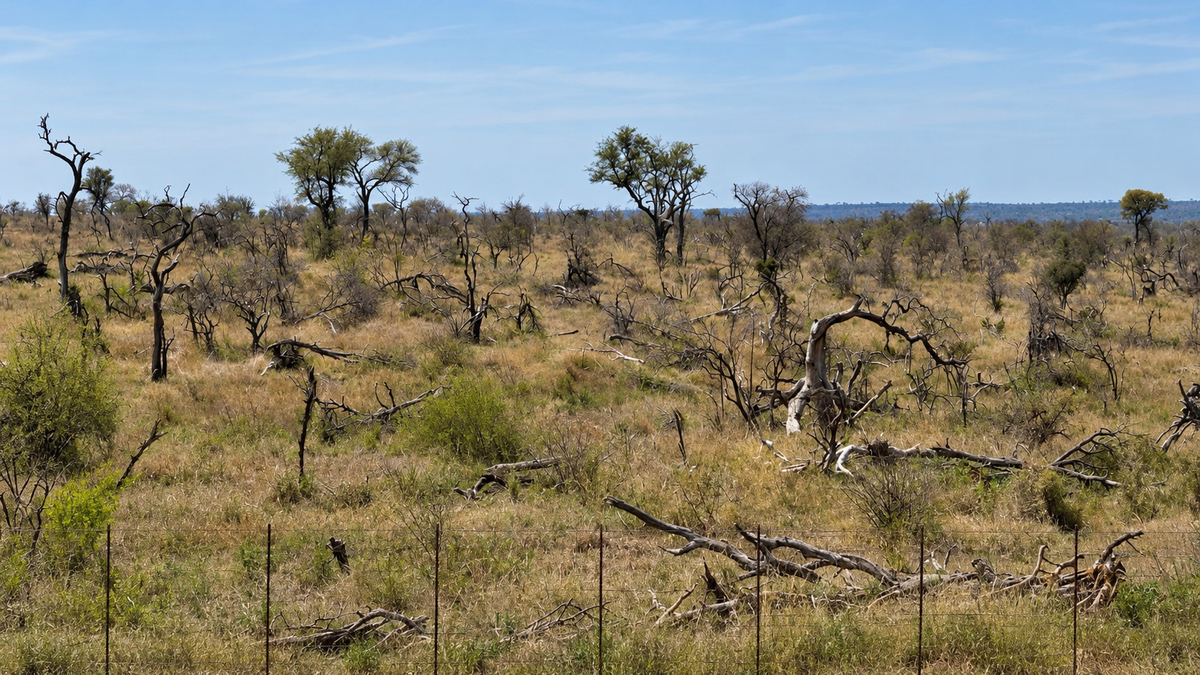
For decades, the debate has been shaped by powerful ethical arguments, institutional caution and an understandable public resistance to lethal intervention. Meanwhile, the landscape itself has continued to change: mature trees are disappearing, woodland structure is being altered, dependent species are losing habitat, and communities along the boundary remain largely unheard.
In The Elephant Reckoning: The Wrong Question, Mark Bishop examines the evidence behind those changes and confronts the management decision the Greater Kruger has repeatedly deferred.
Drawing on published scientific research, regional history, conservation policy and observations from those who know the landscape intimately, Bishop argues that the question is no longer simply whether elephants should be protected. It is whether protecting one species without adequately managing its numbers is placing the wider ecosystem, and ultimately the elephants themselves, at risk.
This is not a short opinion column. It is a detailed, fully referenced examination of elephant density, woodland loss, artificial water provision, community interests and alternative interventions.
RAZOR publishes work like this because some stories cannot be responsibly reduced to a headline, a soundbite or a comfortable consensus.
Read the full 31-page investigation below.